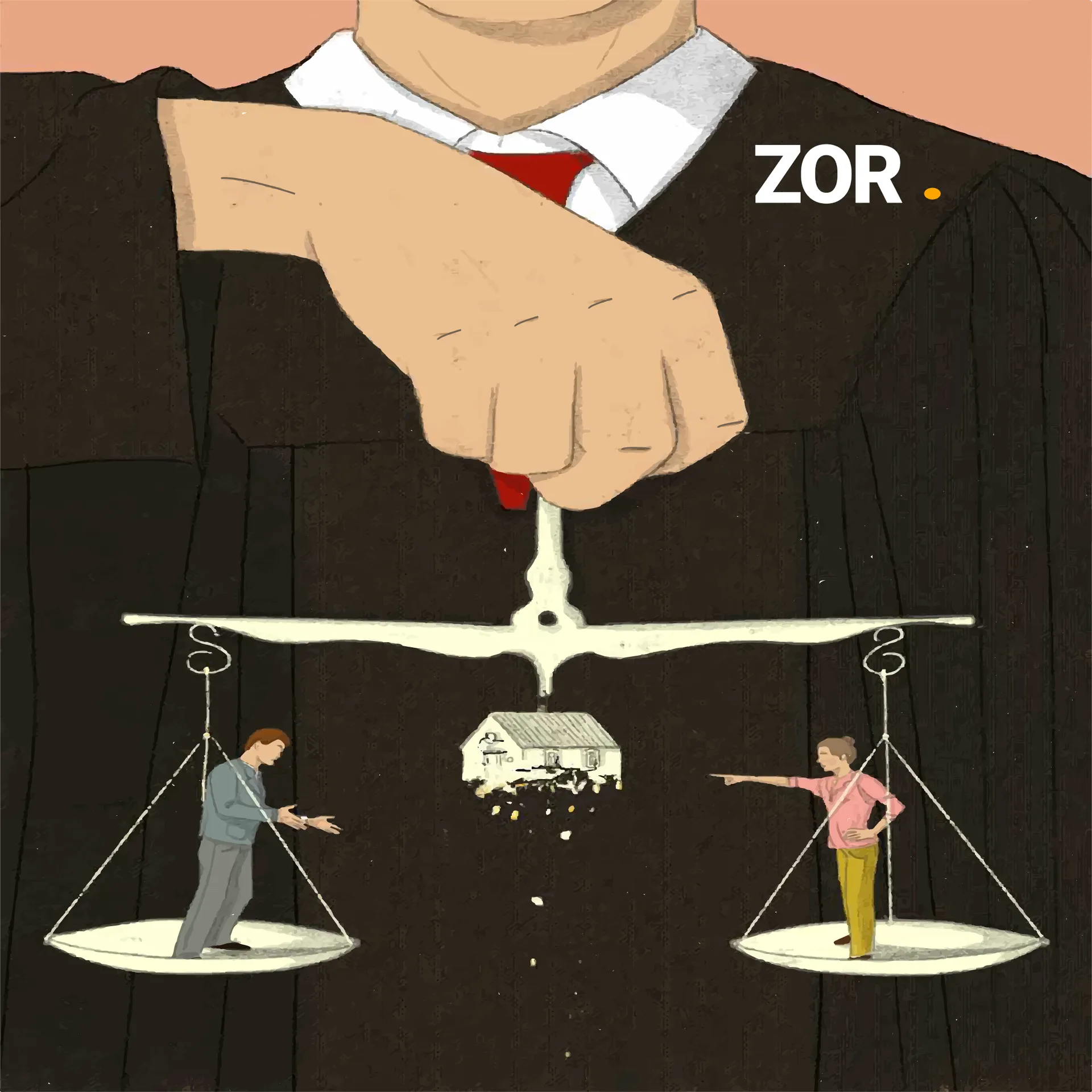
Understanding divorce rights in Pakistan is important for both men and women because divorce is not only an emotional decision; it is also a legal process involving talaq, khula, maintenance, dower, child custody, dowry articles, and court procedure. Many people make mistakes because they depend on verbal advice, family pressure, or incomplete information instead of consulting a family lawyer.
In Pakistan, family law matters are usually handled under laws such as the Muslim Family Laws Ordinance, 1961, the Family Courts Act, 1964, and the Dissolution of Muslim Marriages Act, 1939. Family Courts have jurisdiction over matters such as dissolution of marriage, dower, maintenance, custody, guardianship, dowry, and other family disputes.
Table of Contents
- What Divorce Means in Pakistan
- Divorce Rights in Pakistan for Men & Women
- Right of Husband to Give Talaq
- Right of Wife to Seek Khula
- Right to Haq Mehr / Dower
- Right to Maintenance
- Child Custody and Visitation Rights
- Dowry Articles and Personal Property
- Real Court Examples from Pakistan
- How ZOR Helps You Find a Family Lawyer
- FAQs
- Conclusion
- Internal Linking Suggestions
What Divorce Means in Pakistan
Divorce is the legal ending of a marriage. In Pakistan, the process depends on who initiates it and which legal remedy is used.
Common divorce-related remedies include:
| Legal Remedy | Usually Initiated By | Basic Meaning |
|---|---|---|
| Talaq | Husband | Husband pronounces divorce and follows legal notice procedure |
| Khula | Wife | Wife seeks dissolution of marriage through Family Court |
| Dissolution on grounds | Wife | Wife seeks divorce based on legal grounds such as cruelty or non-maintenance |
| Mutual separation | Both parties | Parties settle divorce, dower, maintenance, custody, and property issues |
The Family Courts Act, 1964 provides that Family Courts deal with family matters listed in its schedule, including dissolution of marriage, dower, maintenance, custody, guardianship, dowry, and personal property of wife and child living with her.
Divorce Rights in Pakistan for Men & Women
Both men and women have legal rights in divorce, but their routes are different.
A man may usually exercise the right of talaq, while a woman may seek khula or dissolution of marriage through Family Court. A woman may also claim dower, maintenance, dowry articles, and child-related relief where legally applicable.
The important point is this: divorce should not be treated as only a verbal or family decision. It must be handled through the proper legal process so that both parties can protect their rights and avoid future disputes.
1. Husband’s Right to Give Talaq
Under Pakistani Muslim family law, a husband may pronounce talaq, but the legal process does not end with only saying the words. The Muslim Family Laws Ordinance, 1961 includes provisions related to talaq, maintenance, dower, polygamy, and dissolution of marriage otherwise than by talaq.
A proper talaq process usually includes:
- Written notice of talaq
- Notice to the relevant Union Council / Arbitration Council
- Reconciliation proceedings
- Completion of the legal waiting period
- Issuance of divorce effectiveness certificate where applicable
A husband should consult a family lawyer before giving talaq because mistakes in notice, documentation, or reconciliation procedure can create legal and administrative problems later.
2. Wife’s Right to Seek Khula
A wife has the right to seek khula through the Family Court when she does not want to continue the marriage. Recent Supreme Court reporting has emphasized that a woman’s right to khula does not depend on the husband’s consent. The Supreme Court also recognized psychological and emotional cruelty as relevant in marital disputes.
This is important because many women are wrongly told that they cannot end the marriage unless the husband agrees. In law, the Family Court can decide the matter according to facts, evidence, reconciliation process, and legal principles.
3. Wife’s Right Not to Be Forced into Khula
A very important recent development is that courts should not convert a woman’s divorce claim into khula without her clear consent. In a reported 2026 Supreme Court decision, the Court held that a divorce claim could not be converted into khula without the woman’s explicit consent, and the woman was ordered to be paid haq mehr of Rs. 1.2 million.
This matters because khula can sometimes affect financial rights, especially where the court asks the wife to return or forgo benefits. If a woman files for dissolution on legal grounds such as cruelty or non-maintenance, the court should decide those grounds instead of automatically treating the case as khula.
4. Right to Haq Mehr / Dower
Haq Mehr, also called dower, is a legal right of the wife. It may be prompt or deferred depending on the Nikahnama. Family Courts have jurisdiction over dower claims under the Family Courts Act framework.
A woman may claim unpaid haq mehr after divorce, khula, or during family litigation, depending on the facts. Men should also keep proper proof of any dower payment because disputes often arise later.
Practical Tip
Both husband and wife should keep:
- Nikahnama copy
- Proof of dower payment
- Bank transfer record
- Written settlement, if any
- Family Court decree, if already issued
5. Right to Maintenance
Maintenance is one of the most common family law issues after divorce or separation. The Muslim Family Laws Ordinance, 1961 includes maintenance as a legal subject, and Family Courts also handle maintenance claims.
Maintenance disputes may involve:
- Wife’s maintenance
- Child maintenance
- Past maintenance
- Interim maintenance during case
- Expenses for education, health, and daily needs of children
A father is generally expected to support his children according to law and financial capacity. A wife may also claim maintenance depending on the legal facts, marital status, and court findings.
6. Child Custody and Visitation Rights
Divorce does not end parental responsibility. After separation, child custody, guardianship, and visitation become major issues. Family Courts deal with custody and guardianship matters, while courts usually focus on the welfare of the minor child.
Important custody-related points include:
- The child’s welfare is the main consideration
- Both parents may seek legal relief
- Visitation schedules can be requested
- Education, health, and living environment matter
- One parent should not use the child as pressure against the other parent
For ZOR users, this is one of the most sensitive family law categories because both parents usually need urgent legal guidance.
7. Right to Dowry Articles and Personal Property
Many divorce cases also involve dowry articles, gold, furniture, household items, and personal belongings. Family Courts can hear matters involving dowry and personal property of the wife and child living with her.
A woman should prepare proof such as:
- Dowry list
- Receipts
- Wedding photographs
- Witness names
- Any written admission
- Previous settlement documents
Men should also keep records of what was returned or settled to avoid false or exaggerated claims.
8. Rights During Reconciliation and Settlement
Family disputes do not always need to become long court battles. Many cases can be settled through lawful compromise, especially where both parties agree on dower, maintenance, custody, dowry articles, and visitation.
A proper settlement should be:
- Written
- Signed by both parties
- Clear about financial terms
- Clear about custody and visitation
- Submitted before the relevant forum where required
- Reviewed by a family lawyer
Verbal settlements often create future disputes, especially when one party later denies the agreement.
9. Real Court Examples That Explain Divorce Rights in Pakistan
Example 1: Khula Does Not Depend on Husband’s Consent
In a reported 2025 Supreme Court ruling, the Court reinforced that a woman’s right to khula is independent of the husband’s consent and recognized psychological abuse as a serious form of cruelty.
Example 2: Court Cannot Force Khula Without Woman’s Consent
In a reported 2026 Supreme Court decision, the Court held that a divorce claim could not be converted into khula without the woman’s clear consent. The Court also noted issues including non-maintenance, second marriage without permission, and cruelty-related facts.
Example 3: Family Courts Handle Core Family Matters
The Family Courts Act framework gives Family Courts jurisdiction over matters such as dissolution of marriage, dower, maintenance, custody, guardianship, dowry, and personal property.
These examples show why legal advice is important before filing or defending a divorce case.
Documents You Should Bring to a Divorce Lawyer
Before meeting a family lawyer, prepare:
- CNIC copy
- Nikahnama copy
- Children’s B-Form or birth certificates
- Talaq notice, if any
- Union Council notice, if any
- Maintenance proof or expense record
- Dower payment proof
- Dowry list and receipts
- Previous court orders
- Any written settlement
- Screenshots or messages, if relevant
This helps the lawyer understand your case quickly and prepare the correct legal strategy.
How ZOR Helps Men and Women in Divorce Cases
If you are facing divorce, khula, maintenance, dower, custody, or dowry issues, ZOR – Pakistan’s First Lawyer Booking App helps you connect with verified family lawyers online.
Through ZOR, users can book lawyers for:
- Divorce / talaq matters
- Khula cases
- Maintenance claims
- Child custody and visitation
- Dower / haq mehr recovery
- Dowry articles
- Family settlement drafting
- Court representation
Facing divorce or khula confusion? Open ZOR and book a verified family lawyer before taking your next legal step.
FAQs About Divorce Rights in Pakistan
What is the focus keyword for this article?
The recommended focus keyword is divorce rights in Pakistan because it covers both men’s and women’s rights and has strong legal search intent.
Can a wife get divorce without husband’s permission?
A wife may seek khula or dissolution through the Family Court. Recent Supreme Court reporting confirms that khula does not depend on the husband’s consent.
Can a husband give talaq without going to court?
A husband may pronounce talaq, but legal notice and reconciliation procedure under Pakistani family law must be followed to avoid legal problems.
Can a woman claim haq mehr after divorce?
Yes, depending on the facts, Nikahnama, payment status, and type of divorce proceedings, a woman may claim unpaid haq mehr through Family Court. Family Courts have jurisdiction over dower matters.
Who gets child custody after divorce?
Custody depends on the welfare of the child. Courts look at the child’s best interests, living conditions, education, age, care, and other relevant facts.
Can ZOR help with divorce and family cases?
Yes. ZOR helps users connect with verified lawyers for divorce, khula, maintenance, custody, dower, dowry, and other family law matters.
Conclusion
Understanding divorce rights in Pakistan helps both men and women avoid legal mistakes during talaq, khula, maintenance, dower, custody, and dowry disputes. Men have legal responsibilities when giving talaq, while women have the right to seek khula or dissolution through Family Court. Both sides should protect documents, follow legal procedure, and avoid informal decisions that may create future problems.
For urgent family law support, download ZOR – Pakistan’s First Lawyer Booking App and book a verified divorce lawyer today.